Theoretical physics
Crafting mathematical frameworks to predict and explain the fundamental laws of nature.
Crafting mathematical frameworks to predict and explain the fundamental laws of nature.
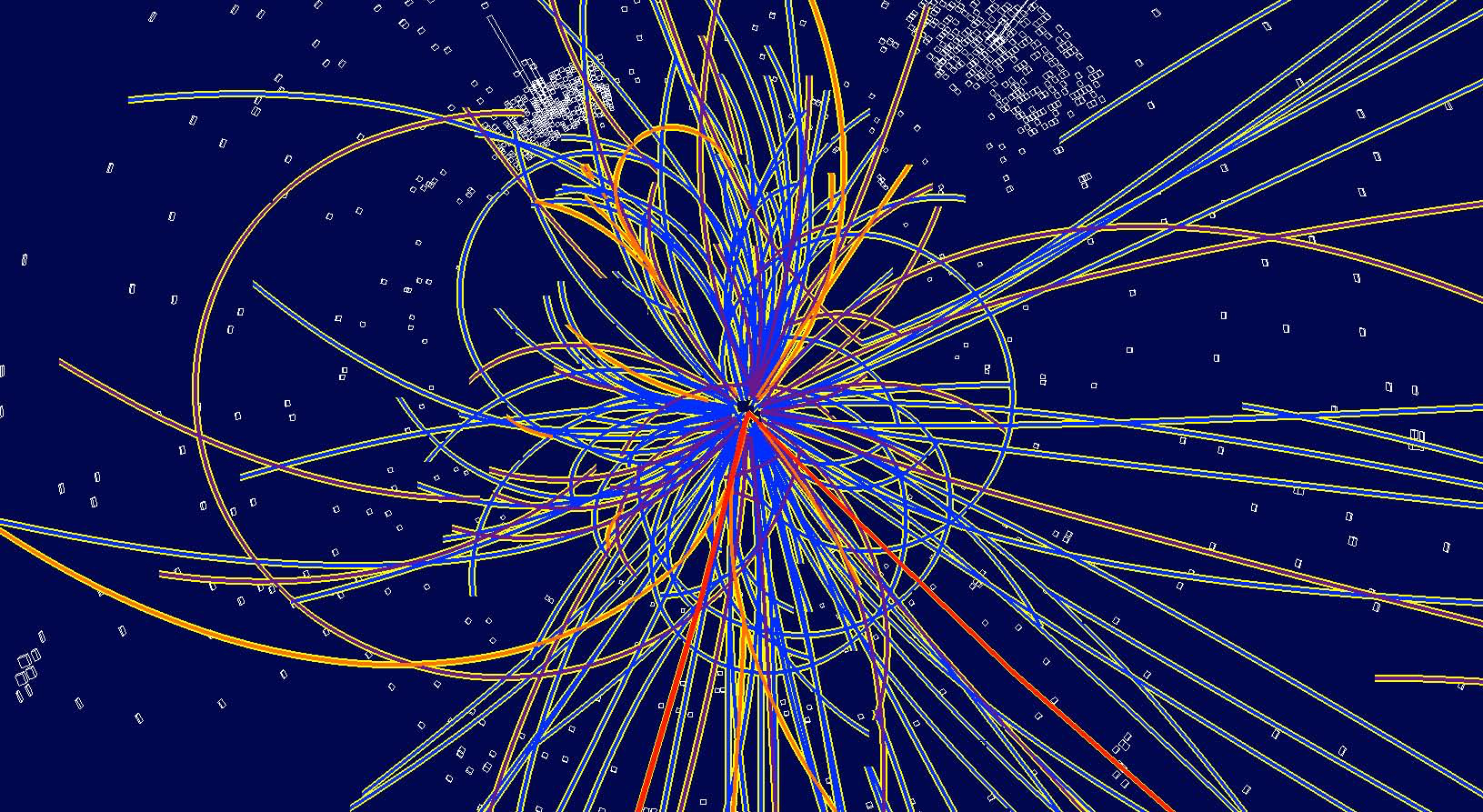
Unlocking the secrets of the tiniest building blocks of the universe.
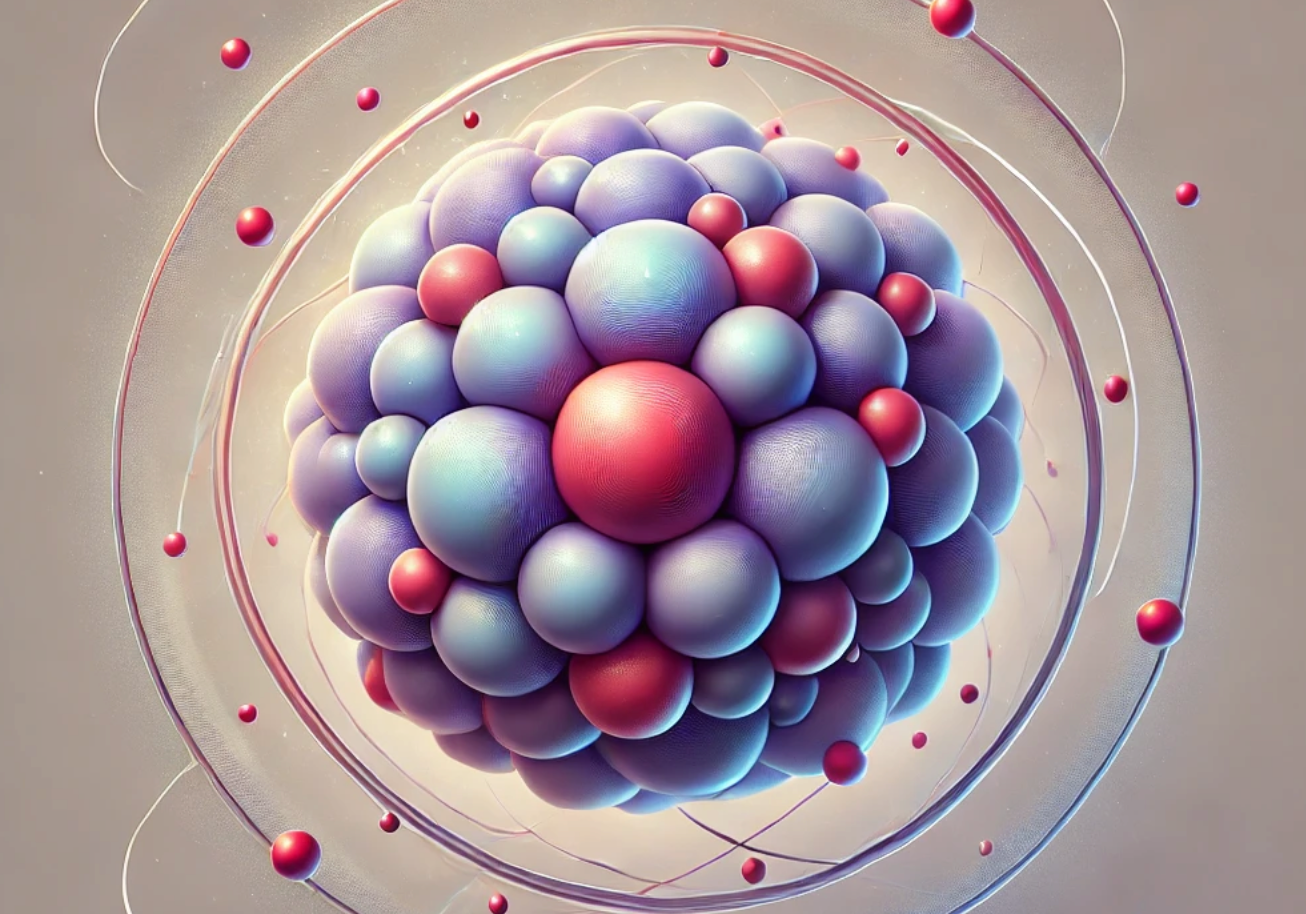
Studying atomic nuclei to understand the forces that power stars and shape the elements around us.
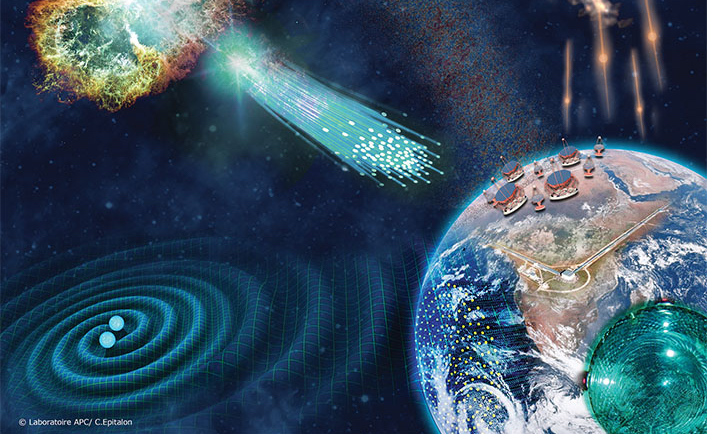
Exploring cosmic rays, neutrinos, and dark matter to reveal the universe’s mysteries.
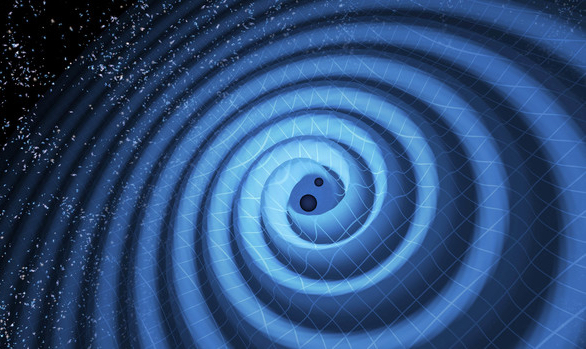
Listening to the ripples in spacetime to witness the most violent cosmic events.
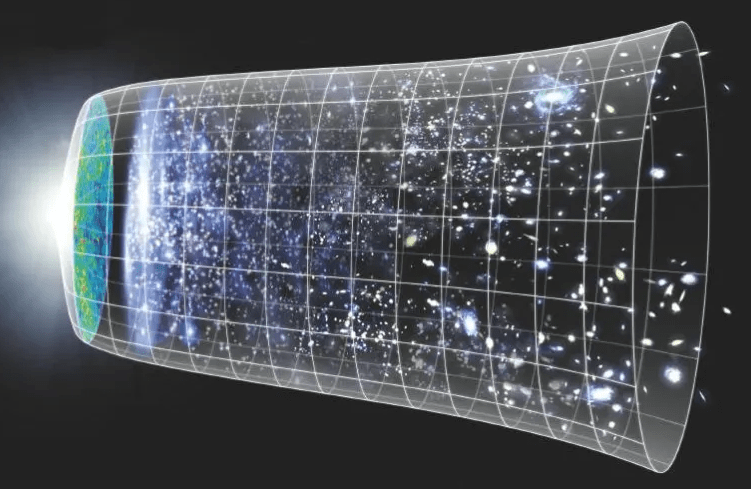
Investigating the origins, evolution, and ultimate fate of the universe on the grandest scales.
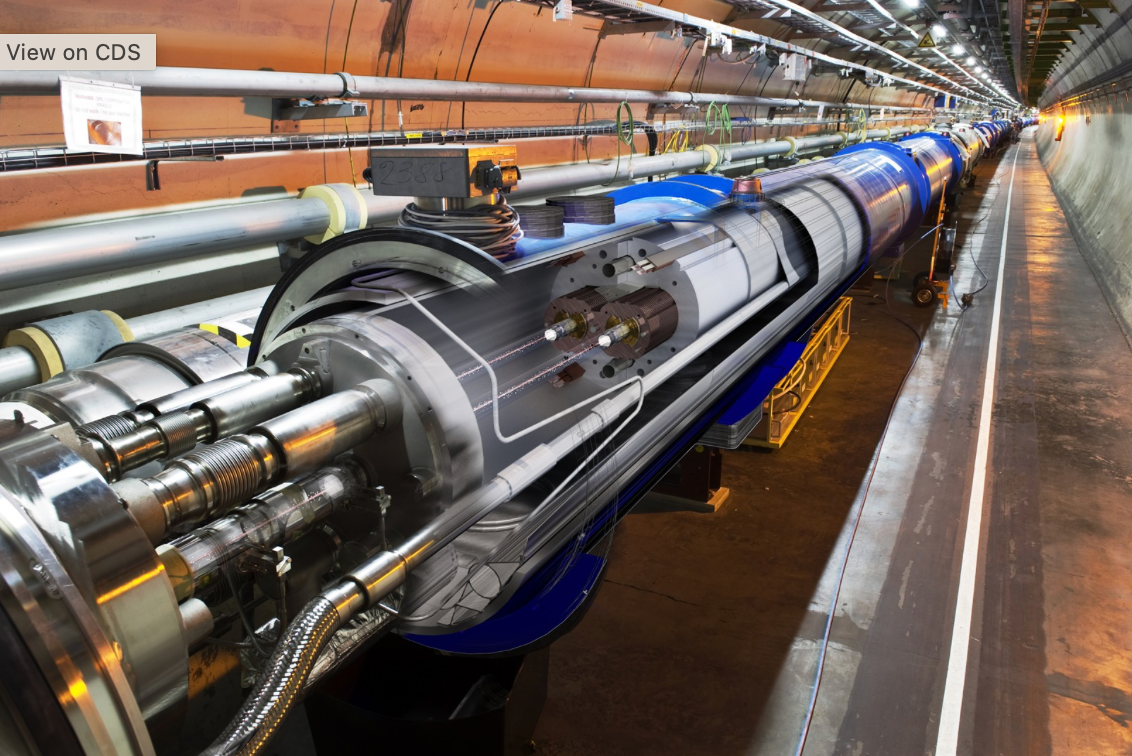
Pushing the frontiers of technology to accelerate particles and probe the structure of matter.
AI and modern machine learning are revolutionizing our everyday lives and transforming fundamental physics research across particle physics, astroparticle physics, nuclear physics, gravitational wave physics, cosmology, and theoretical physics. Common challenges in these fields include modeling complex and large datasets, data compression, scalability to very high-dimensional parameter spaces, the need for fast emulators and first-principle simulations, and simulation-based inference.
These shared features highlight AI’s transformative potential, particularly when science-specific AI methods are developed to address unique challenges in these areas. To enable scientific discoveries beyond the reach of classical methods, AI in physics must incorporate robustness, uncertainty estimation, scientific explainability, and a fundamental understanding of physics principles.
EuCAIF aims to create a community for developers of these specialized methods, benefiting the broader AI community through collaborative research and training. Together, we can contribute novel methods and approaches that might not otherwise emerge from the wider AI community.
The Annual European Conference for AI in Fundamental Physics
Our aim is to provide a platform for establishing new connections between AI activities across various branches of fundamental physics, by bringing together researchers that face similar challenges and/or use similar AI solutions. The conferences are organized “horizontally”: sessions are centered on specific AI methods and themes, while being cross-disciplinary regarding the scientific questions.
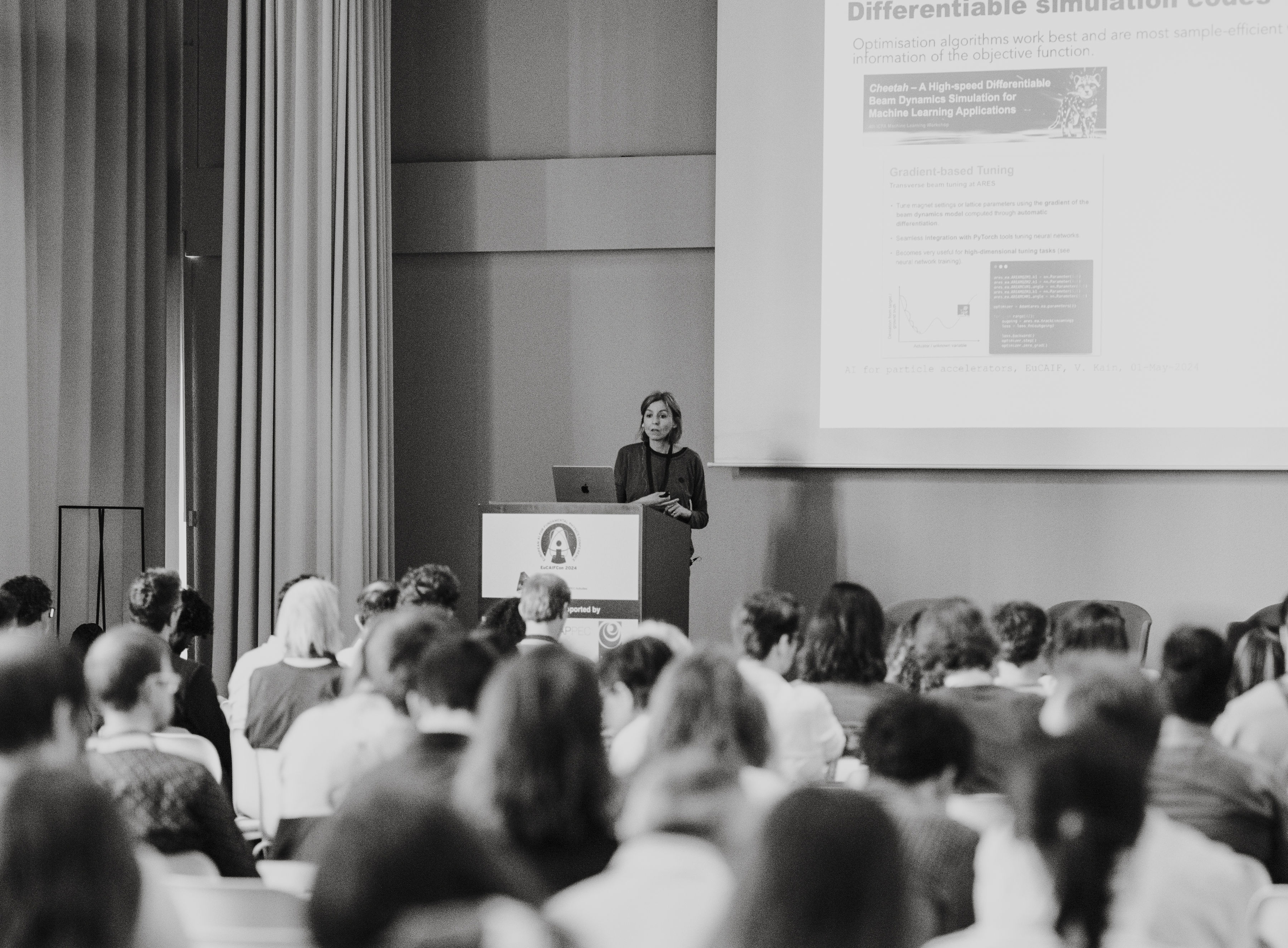
The first “European AI for Fundamental Physics Conference” (EuCAIFCon 2024) was held in Amsterdam, from 30 April to 3 May 2024. EuCAIFCon 2025 was held in Sardinia from Jun 16 – 20, 2025.
EuCAIFCon 2026 took place in Heidelberg, August 24 - 28, 2026.
EuCAIFCon 2027 will take place in Paris, summer 2027. Exact dates will be announced here.
64 fellows and 11 junior fellows at institutions in 14 countries
EuCAIF is an European initiative for advancing the use of Artificial Intelligence (AI) in Fundamental Physics. Members are working on particle physics, astroparticle physics, nuclear physics, gravitational wave physics, cosmology, theoretical physics as well as simulation and computational infrastructure.
Edit the texts on this page on GitHub



4 of 204 AI-related papers by EuCAIF fellows in the last twelve months, automatically collected from INSPIRE HEP.
Godi, Dan, Kobylianskii, Dmitrii, Gross, Eilam
Kakati, Nilotpal et al.
Buss, Thorsten et al.
Buss, Thorsten et al.